

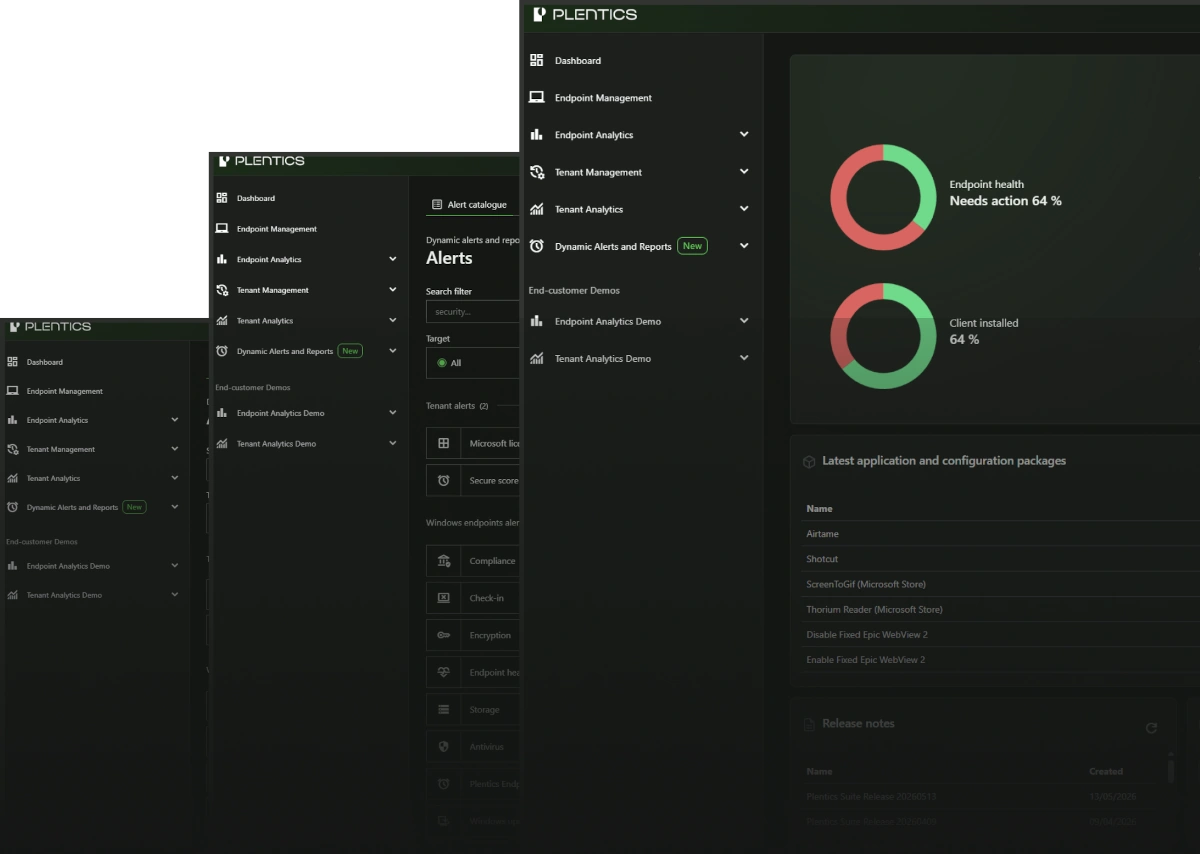
Make Your Intune Services More Competitive
Delivering Microsoft Intune and Microsoft 365 services at MSP scale has become increasingly complex.
As customer environments grow, operational effort often grows with them:
- more tenants
- more endpoints
- more operational dependencies
- more coordination between teams
- more pressure to maintain consistent service quality
Managing environments tenant by tenant is no longer enough for MSPs that want to scale efficiently and remain competitive. Modern MSP operations require a more centralized and standardized operating model.
Plentics helps MSPs strengthen operational control across Intune and Microsoft 365 service delivery through orchestration-oriented operations built for multi-tenant environments.
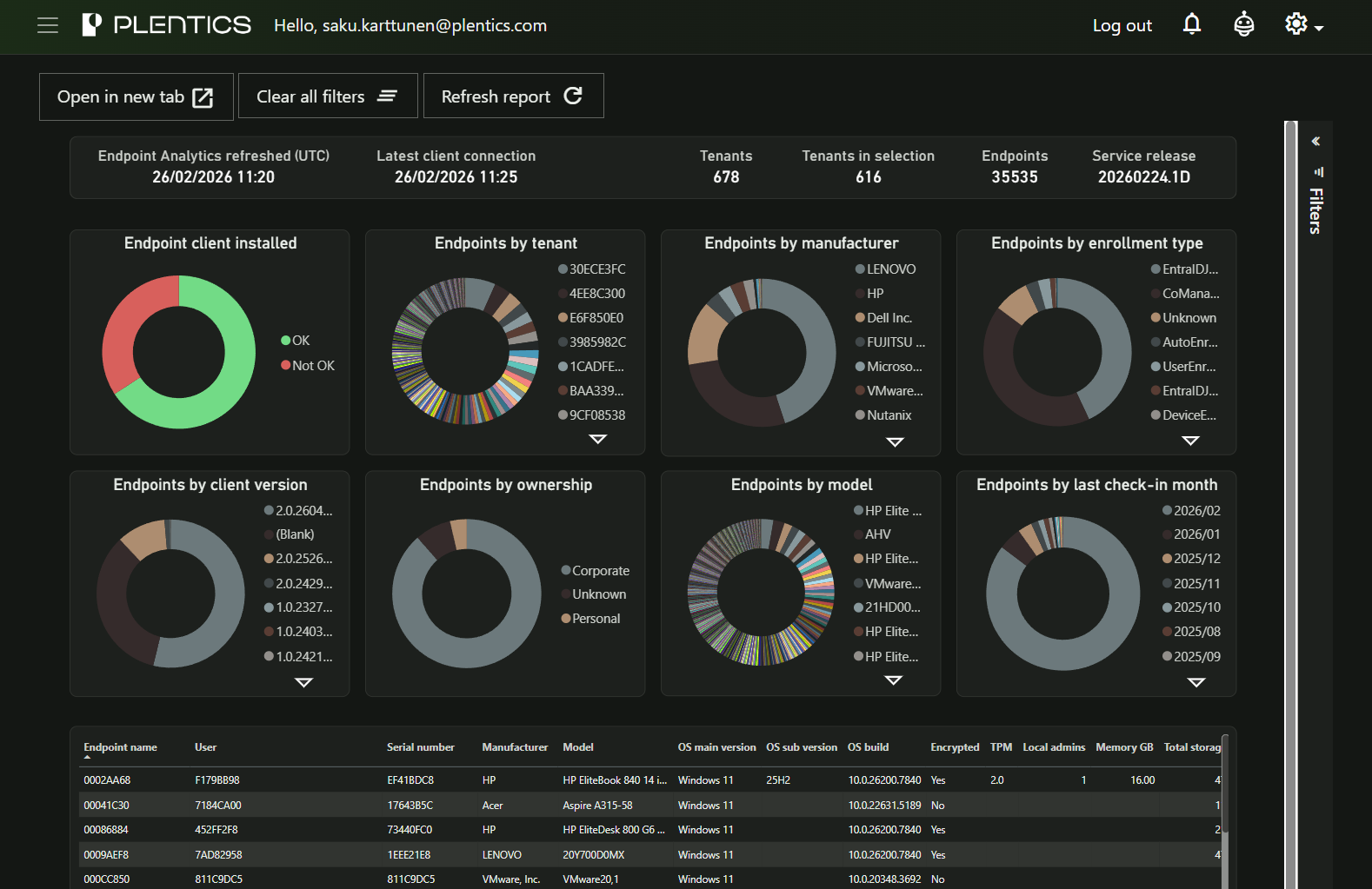
The problem MSPs face today
Most MSPs already have capable technical teams and established operational processes.
The challenge is not a lack of expertise.
The challenge is maintaining operational consistency and efficiency as the number of customer environments grows.
Many MSPs still operate through:
- tenant-by-tenant management
- fragmented operational visibility
- inconsistent onboarding approaches
- disconnected operational workflows
- manual processes that scale linearly with customer growth
Over time, this creates operational friction that directly impacts scalability, service quality, and profitability. Without centralized operational visibility and standardized delivery models, complexity increases faster than operational maturity.
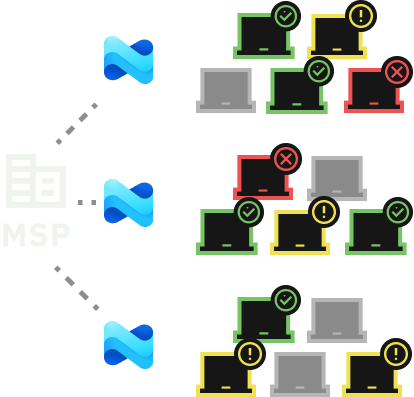
Why traditional management is no longer enough
Traditional management approaches are often built around managing individual customer environments separately.
At smaller scale, this may be manageable. At MSP scale, however, operational maturity requires a different approach.
This is not simply a tooling challenge. It is an operating model challenge.
Managing individual environments does not create scalable operations by itself. Operational scalability requires orchestration across customers, teams, and service processes.
MSPs need:
- centralized operational visibility
- standardized service delivery models
- cross-tenant operational insight
- scalable operational coordination
- shared visibility across operational teams
Plentics helps MSPs move from isolated environment management toward a more centralized and scalable operational model for Intune and Microsoft 365 services.

The Plentics Approach
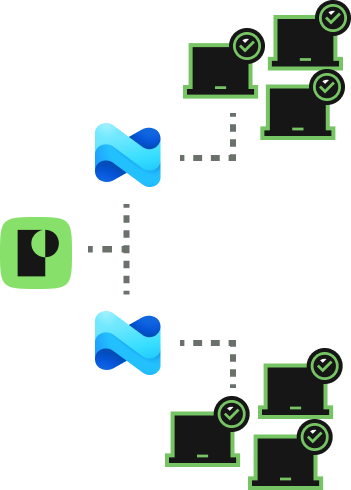
Plentics provides a centralized orchestration layer for Microsoft Intune and Microsoft 365 MSP operations.
The platform helps MSP organizations:
- Standardize service delivery
- Improve operational visibility
- Coordinate operations across customer environments
- Strengthen consistency across teams and processes
- Scale operational practices more predictably
Rather than replacing Microsoft technologies, Plentics extends operational capabilities around them.
This enables MSPs to operate customer environments through:
- centralized operational control
- cross-tenant visibility
- analytics-driven operations
- operational automation
- proactive operational insight
The result is a more scalable and operationally mature approach to Intune and Microsoft 365 service delivery.
What this enables in practice
Plentics helps MSPs operate more predictably, efficiently, and competitively.
From reactive operations to proactive service delivery
Improved operational visibility and analytics help MSP teams identify issues earlier and maintain more proactive service operations.
Read about our newest features.
From isolated expertise to standardized service models
Operational practices become less dependent on individual ways of working and more aligned across teams and customer environments.
Read the product overview.
From opaque effort to measurable service values
Centralized operational visibility helps MSPs better understand service quality, operational patterns, and customer environment status across tenants.